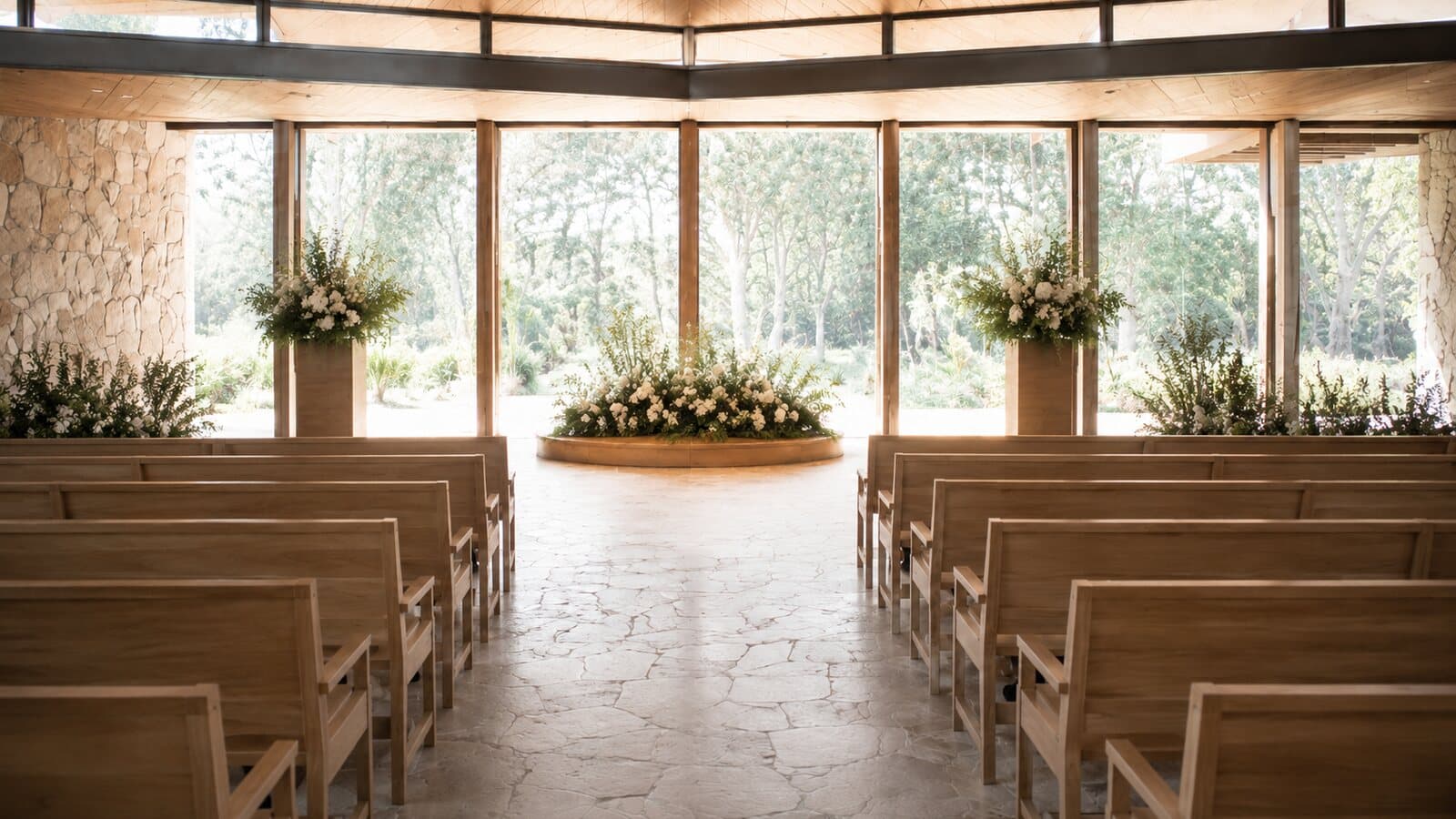
What happens at a secular funeral in Australia?
Non-religious funerals are increasingly common in Australia. Cremation accounted for 73% of NSW interment services in 2023-24, from 48,252 cremations against 18,232 burials, per the Cemeteries and Crematoria NSW Activity Report 2023-24. There is no official national cremation rate, because the ABS does not record method of disposal in death registrations. Many services now include little or no religious content, and direct cremation, where the body is cremated without a ceremony, is a well-established option.
The 2021 Census recorded "no religion" as the largest single response to the religion question for the first time. For families who do not follow a faith tradition, the question is not which religious rite to follow but what, if anything, is legally required.
The answer, which the IPART review of the NSW funeral industry examined in detail, is less than many people expect.
What the law actually requires
There is no legal requirement in Australia to use a funeral director. There is no legal requirement to hold a funeral ceremony. There is no legal requirement to involve any religious element.
The legal requirements for handling a death are administrative, not ceremonial:
| Requirement | What it involves |
|---|---|
| Medical Certificate of Cause of Death | A doctor confirms the death and issues this certificate. If the death is sudden, unexplained, or the doctor is unwilling to certify, the coroner becomes involved |
| Death registration | The death is registered with the state Registry of Births, Deaths and Marriages. In NSW, within 7 days of the burial or cremation. Timelines vary by state |
| Disposal authority | For burial, an authority to bury from the council or cemetery. For cremation, a permit to cremate, with a medical referee reviewing the cause of death certificate first |
That is the full list of legal obligations. Everything else, the coffin, the flowers, the ceremony, the funeral director, is a choice.
DIY funerals
Families can handle the entire funeral process themselves. This means collecting the body from the hospital or place of death, transporting it, preparing it for burial or cremation, and arranging directly with the cemetery or crematorium.
In practice, a DIY funeral involves:
Body preparation. Embalming is not legally mandatory for most funerals. The body can be kept at home for a period before burial or cremation, provided it is stored in a cool environment. If a coffin is not used, the body must be wrapped in material that prevents leakage of fluids. NSW does not set a fixed number of layers, but shrouded burial requires approval from NSW Health and preparation in a registered mortuary. Check your state's requirements.
Transport. Families can transport the body themselves in a private vehicle. The body must be in a coffin or suitable container for transport. Some states have specific regulations: NSW requires watertight coffins for transport under Part 8 of the Public Health Regulation 2022.
Shroud burials. Burial without a coffin (in a shroud only) is permitted in some states, but in NSW this requires explicit approval and an exemption from the Chief Health Officer of the Local Health District or the Secretary of NSW Health. Families considering a shroud burial should check the requirements for their state.
Cremation. Direct arrangement with a crematorium is possible without going through a funeral director, though some crematoria prefer to work with funeral directors for logistical reasons. The cremation permit process is the same regardless of who arranges it.
DIY funerals require time, energy, and a willingness to handle logistics during a period of grief. They are not for everyone. But for families who want to be directly involved in caring for the deceased, the legal pathway exists.
Celebrant-led ceremonies
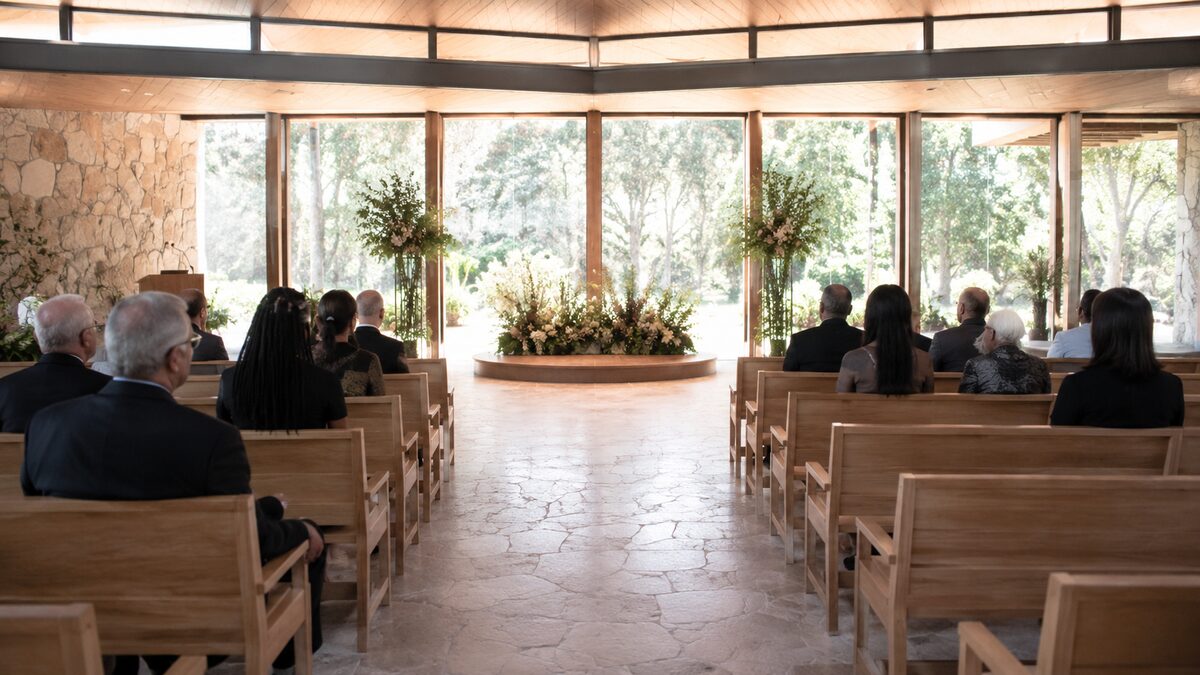
For families who want a ceremony without religious content, a civil celebrant is the most common choice. There is no legal requirement for a trained or registered celebrant to lead a funeral. Anyone, including a family member or friend, can run the proceedings.
A celebrant-led funeral can be held anywhere: a chapel, a park, a beach, a family home, a pub. The structure is entirely up to the family. Common elements include eulogies from family and friends, readings (poetry, prose, personal letters), music chosen by the family, photo slideshows, and moments of silence or reflection.
The celebrant's role is to coordinate the service, guide the family through the planning, and deliver the ceremony on the day. Many celebrants meet with the family beforehand to learn about the deceased and help plan the service.
Some families use the term "celebration of life" for a secular funeral, though this is a description of tone rather than a distinct format. A celebration of life can be held with or without the body present, and can take place days or weeks after the cremation or burial.
Direct cremation (no service, no attendance)
Direct cremation strips the funeral process to its legal minimum. The funeral director collects the body, manages the paperwork, carries out the cremation at a licensed facility, and returns the ashes. There is no ceremony and no chapel booking, usually no viewing, and family usually do not attend.
The cost difference is significant. Direct cremation is generally among the lowest-cost funeral options in Australia. Prices vary by state and provider; itemised quotes from two or three providers in your area let you compare before deciding.
Some families hold a separate memorial gathering after a direct cremation, on their own terms and timeline. This separates the logistics of disposing of the body from the act of honouring the person, and gives the family time to plan a gathering without the pressure of a fixed funeral date.
Direct cremation: costs, inclusions and providers
Cremation versus burial for secular funerals
Both cremation and burial are available to families without any religious requirements. The legal difference between the two is in the permitting process: cremation requires a medical referee to review and approve the cremation certificate, which adds a step (and sometimes a delay) compared to burial, where the authority to bury comes from the council or cemetery.
Ash scattering. Scattering cremated ashes at sea does not require a permit. The Department of Climate Change, Energy, the Environment and Water confirms that scattering human ashes at sea is explicitly excluded from the definition of "sea dumping" under the Environment Protection (Sea Dumping) Act 1981. A permit is required if you want to bury a whole body at sea, but not for ashes. Ashes can be scattered at the beach or in the ocean without a permit. Marine parks and some councils have their own rules, so check if you are scattering in a protected zone. Permission is required to scatter ashes on private land. State rules on scattering ashes in rivers vary; check with your state health authority.
Natural burial. A growing number of Australian cemeteries offer natural burial sections where the body is buried in a biodegradable coffin or shroud, without a concrete vault or traditional headstone. These appeal to families who want an environmentally conscious option without religious content.
Common misconceptions
Several beliefs about funerals in Australia are widely held but incorrect:
"You have to use a funeral director." No. There is no legal requirement. Families can arrange everything themselves.
"You have to have a funeral ceremony." No. A ceremony is optional. Direct cremation or direct burial with no service is legally and practically available.
"Embalming is required by law." No. Embalming is typically only required for above-ground vault or crypt placement, overseas repatriation, or air transport of the body, including domestic flights. For a standard burial or cremation it is the family's choice.
"You cannot transport the body yourself." Incorrect. Families can transport the body in their own vehicle, provided it is in a coffin or suitable container.
Related information
- How much does a funeral cost in Australia?
- Direct cremation: costs, inclusions and providers
- How to plan a low-cost funeral on a budget
- Find a funeral director for a secular service
- Back to all guides
Frequently asked questions
Do you legally need a funeral director in Australia?
Is embalming legally required?
What is the lowest-cost funeral option?
Can you scatter ashes anywhere?
Can anyone lead a funeral ceremony?
This guide is general information to help Australian families, editorially reviewed by the Funerals Direct team from publicly available sources. It is not legal or financial advice. Funeral prices change and vary by provider and region, so always ask for an itemised written quote. For prepaid funerals, bonds, or insurance, consider speaking with an independent financial adviser or a free financial counsellor on 1800 007 007.
Ready to find a funeral director?
Compare directors who list the right experience, read reviews from other families, and request a quote. Always free for families.
Find a funeral director for a secular serviceWas this guide helpful?