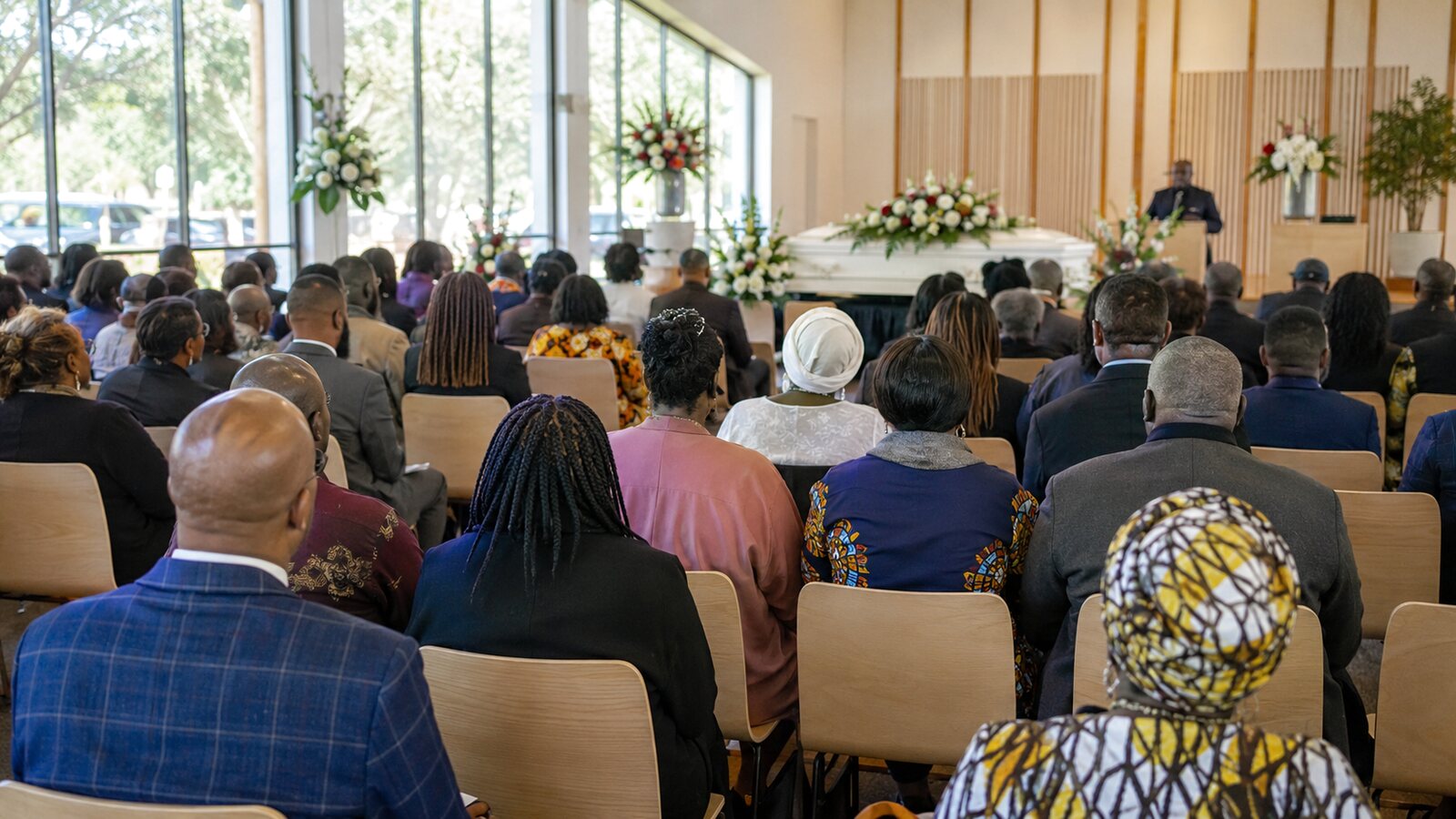
What happens at South Sudanese and African Australian funerals?
African Australian funerals vary by country, language, religion and family. This guide focuses mainly on South Sudanese Australian funerals, because those customs are the most publicly documented in Australia. Ethiopian, Eritrean, Somali, Congolese, Ghanaian and other African Australian communities may do things differently. For Somali and other Muslim families, the funeral will usually follow Islamic rites as well as family and community customs.
For many South Sudanese families, the funeral is not a private event handled by one household. It is a community responsibility. Relatives, elders, church leaders and community associations may all be involved in decisions about the service, burial, repatriation and fundraising.
What should the funeral director know early?
The funeral director needs to know whether the family is considering repatriation, because that changes the whole arrangement. Repatriation requires embalming for international transport, airline cargo booking, consular paperwork, permits, a sealed coffin or casket, and coordination with relatives overseas. It also affects timing and cost.
The funeral director should also know who has authority to speak for the family. In some families that will be the spouse or adult children. In others, elders, church leaders or community association representatives will guide decisions. A large funeral may need a church with enough seating, a community hall, extra time for viewing, a large burial area, and help with traffic or parking.
When a death occurs
News of a death can travel quickly through South Sudanese community networks. People may gather at the family home or another nominated house within hours. This gathering may continue for days, with food, prayer, visiting, singing and shared mourning.
The family may not make decisions alone. Elders often help decide whether the person should be buried in Australia or repatriated. They may also help settle questions about who speaks at the service, how fundraising is handled, and what role the church will have.
Financial contributions are common. In many communities this is not seen as a donation to a private family, but as a shared obligation. Contributions may be recorded, and support is often reciprocated when another family experiences a death.
The funeral service
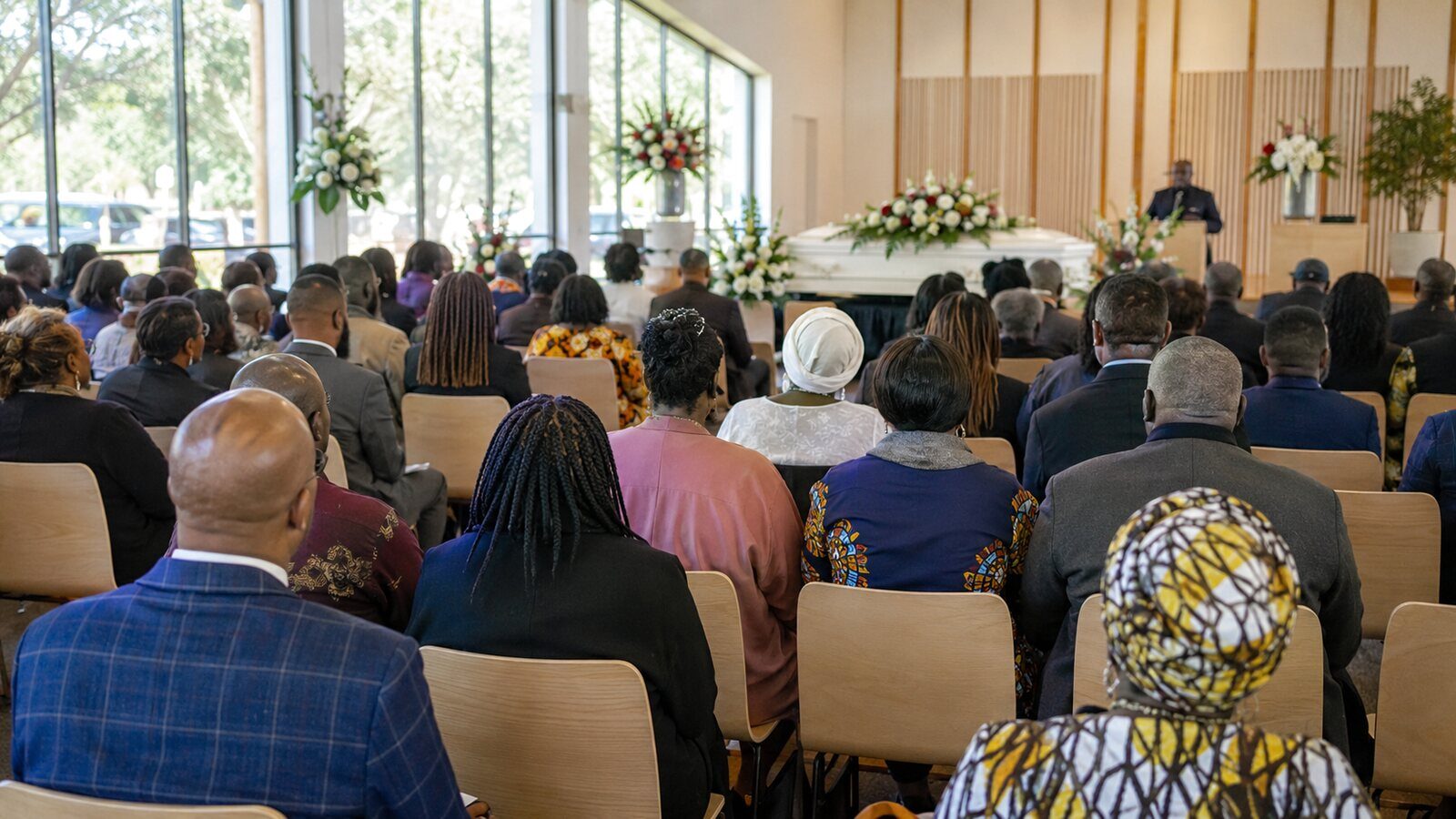
Most South Sudanese Australian funerals include a Christian service, often Catholic or Anglican. The church service may include readings, prayers, hymns, a eulogy, tributes, and a committal at the cemetery. The service may be longer than many standard Australian chapel services, especially if there are many speakers or a large congregation.
Public grief may be vocal. Crying, wailing and strong expressions of sorrow can be part of mourning, especially after the death of a young person. Guests who are not from the community should not treat this as disorder or interruption. It is part of how grief is carried publicly.
When an elder who has lived a long life passes away, the tone may be different. Grief remains, but the service and later gatherings may also honour age, family continuity, children, grandchildren and contribution to the community.
Burial and repatriation
Burial is strongly preferred in many South Sudanese families. Some families want the person returned to South Sudan or another country of origin for burial on ancestral land. Where that is not possible, burial in Australia may be chosen.
Repatriation can cost many thousands of dollars. The total depends on the state of departure, destination country, airline, coffin requirements, embalming, consular documents, permits and local arrangements overseas. The family should ask for a written quote that separates the Australian funeral director's charges from airline, consular and overseas costs.
A funeral director who handles international repatriation regularly is worth using. They should explain which documents are needed, who signs them, whether a consulate is involved, and how the person will be received overseas.
What guests should know
Dress conservatively, usually in black or dark colours. If you attend the family home, food is often welcome. If the family has nominated a fundraising contact, follow that process rather than handing money to several different people.
Expect a larger gathering than at many private Australian funerals. There may be several languages used. The service may run longer than the printed order suggests. If you are unsure where to sit or when to approach the family, follow the lead of community members or ask an usher.
Further reading
- SBS Cultural Atlas: South Sudanese culture
- ANU Migration Hub: South Sudanese diaspora briefing
- Religions for Peace Australia: South Sudanese burial rites
- Fair Work: compassionate and bereavement leave
Frequently asked questions
Do South Sudanese families repatriate bodies to Africa?
Is cremation common?
How are funeral costs covered?
What should a guest wear?
Should a non-community member attend the gathering at the family home?
When you are ready
This guide is general information to help Australian families, editorially reviewed by the Funerals Direct team from publicly available sources. It is not legal or financial advice. Funeral prices change and vary by provider and region, so always ask for an itemised written quote. For prepaid funerals, bonds, or insurance, consider speaking with an independent financial adviser or a free financial counsellor on 1800 007 007.
Ready to find a funeral director?
Compare directors who list the right experience, read reviews from other families, and request a quote. Always free for families.
Find a funeral directorWas this guide helpful?