What can you do with ashes in Australia?
When a loved one's ashes come home after a cremation, it is common to feel unsure about what happens next, and there is no rush to work it out. The ashes can stay with you for as long as you need, so you can wait until an idea fits the family and the service, or until the family has had time to talk it through together.
Broadly, you have three choices: keep the ashes, place them somewhere permanent, or scatter them. Scattering is allowed in many places around Australia, though some spots need permission first, and there is no single national rule, so a quick check with the local council or land manager takes away any worry.
This guide walks through your main options, the rules on scattering ashes around the country, and a few gentle ideas for a lasting memorial. Take your time with it.
Is there a time limit for keeping ashes at home?
No. There is no law that says you must do anything with ashes by a certain date, and many families keep them at home indefinitely. That takes the pressure off, and it means the decision can wait until the right moment, or until everyone who wants a say has had one.
What are your options for a loved one's ashes?
Most families choose one of four paths, and there is no wrong answer among them.
Keep them at home
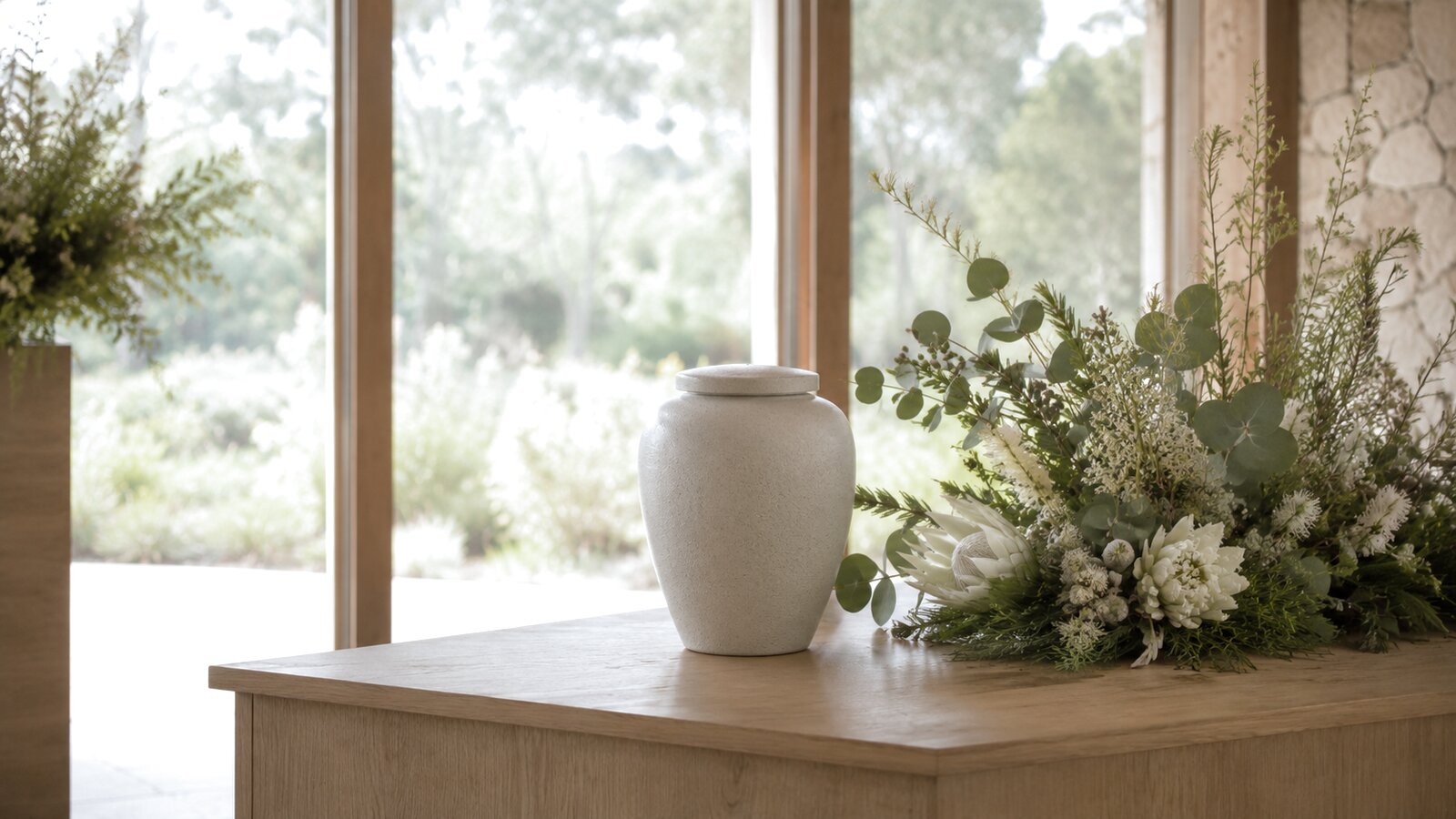
The ashes are returned in a simple urn, which you can keep as is or move into an urn of your choosing. There is no legal restriction anywhere in Australia, so it suits families not ready to decide, or who want to keep things simple.
No legal restrictionSuits undecided familiesNo time limit
Place them somewhere permanent
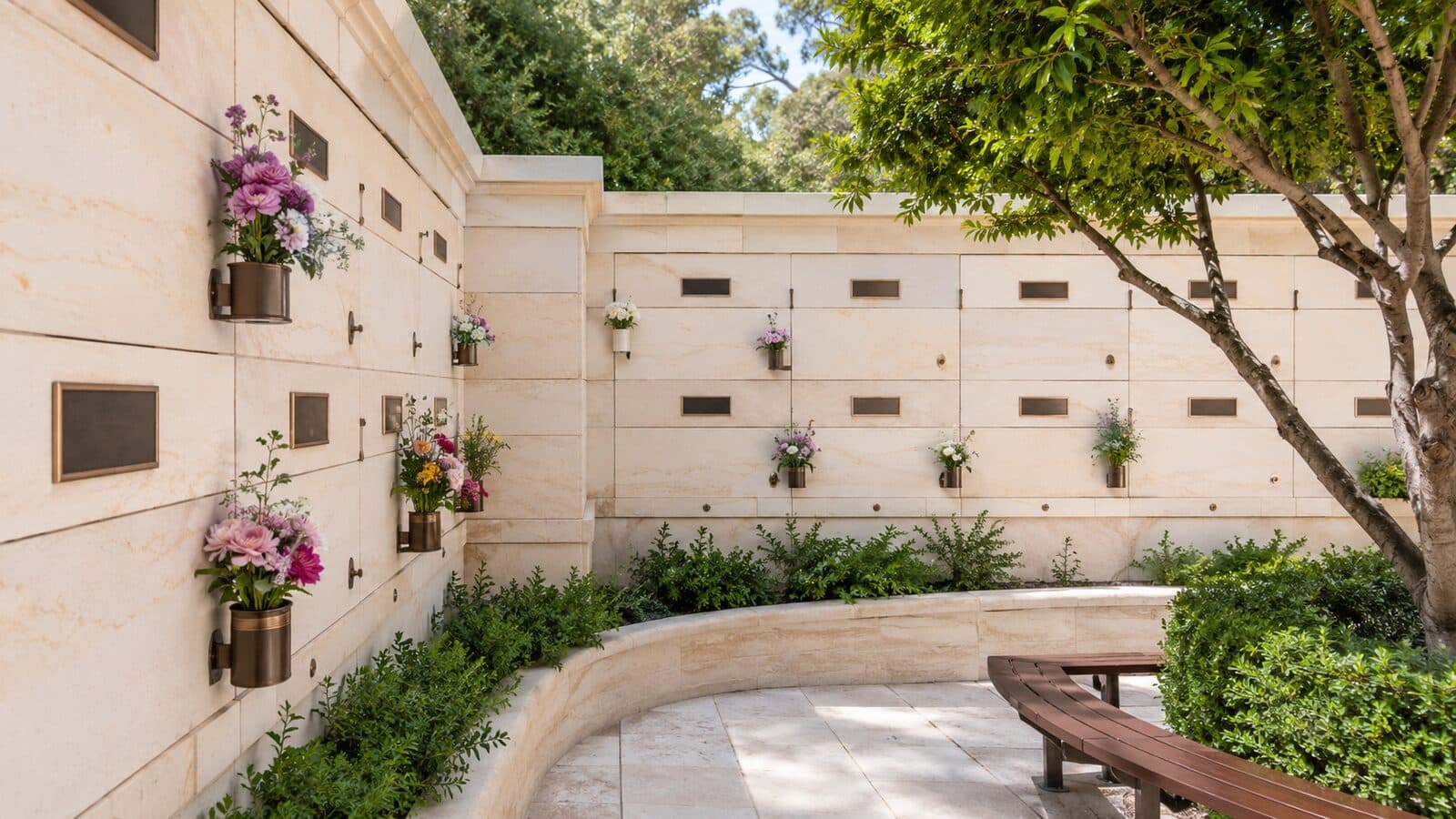
A cemetery can inter ashes in a small plot, a memorial niche in a wall, or a garden of remembrance, usually for a small fee. Best suited to families who want a fixed place to visit.
Fixed place to visitCemetery or memorial gardenSmall fee applies
Scatter them
Many families scatter ashes somewhere that meant something to the person: a beach, a bush track, a garden, or out at sea. Permission is often needed for private or public land, so check locally first.
A meaningful locationPermission may be neededRules vary by state
Turn them into a keepsake
A growing number of families keep a small amount as jewellery, have the ashes set into glass, or place them with the roots of a memorial tree, letting more than one person keep something close.
Cost variesMultiple keepsakes possibleJewellery or glass options
There is no wrong answer among these. Many families combine more than one, keeping a small amount at home while scattering or interring the rest.
Can you scatter ashes anywhere in Australia?
There is no single national law on scattering ashes, and in many places you can do it freely. Some locations do need permission first, so it helps to know where each stands before you plan the day.
| Where | What the rules usually are |
|---|---|
| At sea or on a river | Generally allowed without a permit. If you are on a boat, ask the skipper before scattering. |
| Your own private land | Allowed. If it is your property, the decision is simply yours. |
| Someone else's private land | You need the landowner's permission first. |
| Parks, beaches, botanic gardens, sports grounds | Often allowed, but many councils and land managers set their own rules, so check before the day. |
| A cemetery garden of remembrance | Allowed in a dedicated area, usually for a small fee. |
Because the detail varies by state and council, a quick phone call to the local council confirms what applies at the spot you have in mind. Wherever you scatter the ashes, take your time and go gently, with respect for anyone else nearby and for the place itself.
Gentle ideas for a lasting memorial
There is no single right way to remember someone. Some families inter the ashes with a plaque they can visit, others plant a memorial rose or tree and watch it grow through the seasons. Dividing the ashes so several relatives can each keep a little is common, and some choose a keepsake like a pendant. A quiet annual visit to a scattering place can become its own tradition. Whatever you choose can be as simple or as personal as your family wants.
Frequently asked questions
Do you need permission to scatter ashes in Australia?
Can you scatter ashes at sea in Australia?
Can you divide ashes between family members?
Can you bury ashes in a cemetery?
The decisions that come before this one
This guide is general information to help Australian families, editorially reviewed by the Funerals Direct team from publicly available sources. It is not legal or financial advice. Funeral prices change and vary by provider and region, so always ask for an itemised written quote. For prepaid funerals, bonds, or insurance, consider speaking with an independent financial adviser or a free financial counsellor on 1800 007 007.
Ready to find a funeral director?
Compare directors who list the right experience, read reviews from other families, and request a quote. Always free for families.
Find a funeral directorWas this guide helpful?