Back to guidesAfter a death: first steps

What to do after someone passes away in Australia

Funerals Direct editorial teamUpdated 29 May 20269 min read

If you have just lost someone, take a moment. Nothing on this page needs your action in the next five minutes. You are allowed to pause, to sit, to be with your loved one before anything else.

This guide covers what comes next, in plain language, for Australian families. The first 24 hours, the paperwork, the money, and where to find support. You do not have to read all of it now. Most people come back to it section by section over the days that follow.

If you are in distress, please reach out. Lifeline 13 11 14 (24/7) Beyond Blue 1300 22 4636 (24/7) 13YARN 13 92 76 (Aboriginal and Torres Strait Islander, 24/7) GriefLine 1300 845 745 (weekdays 9am to 6pm, weekends 12pm to 6pm AEST/AEDT)

The first hour: there is time

There is no legal rush in Australia. Whether the death was expected or sudden, you have time to be present, to gather family, to make a phone call when you are ready.

The two questions to settle in the first hour are simple:

  1. Was the death expected, or unexpected?
  2. Has the death been verified by a doctor?

Everything else can wait.

If the death was expected

For an expected death at home (palliative care, terminal illness, advanced age), you do not need to call 000. You call the doctor, palliative care team, or local GP. They come and verify the death and they issue a medical certificate of cause of death. The funeral director can come once that certificate has been issued.

Many families take an hour or longer before making any call, especially if relatives need time to arrive or to say goodbye. The federally funded health service healthdirect confirms that there is no need to act straight away after an expected home death.

If the death was unexpected

Call 000. Paramedics will attend, and if the person has passed the police will be contacted. The death will be reported to the coroner. The funeral cannot be arranged until the coroner releases the body. The Coroners Court of Victoria publishes 5 to 7 days as the standard timeframe; some states release earlier in routine cases, and a post-mortem can extend the timeline.

If you are not sure whether the death was expected or unexpected, call 000 and let the operator guide you. For more detail on the coronial process, see our guide on when the coroner gets involved.

What happens next: step by step

Across the first week, the steps usually unfold like this:

  1. The doctor verifies the death and issues the medical certificate of cause of death.
  2. The funeral director collects your loved one when you are ready.
  3. You meet with the funeral director to plan the service.
  4. The funeral director registers the death with the relevant state Births, Deaths and Marriages registry, normally within 7 to 14 days.
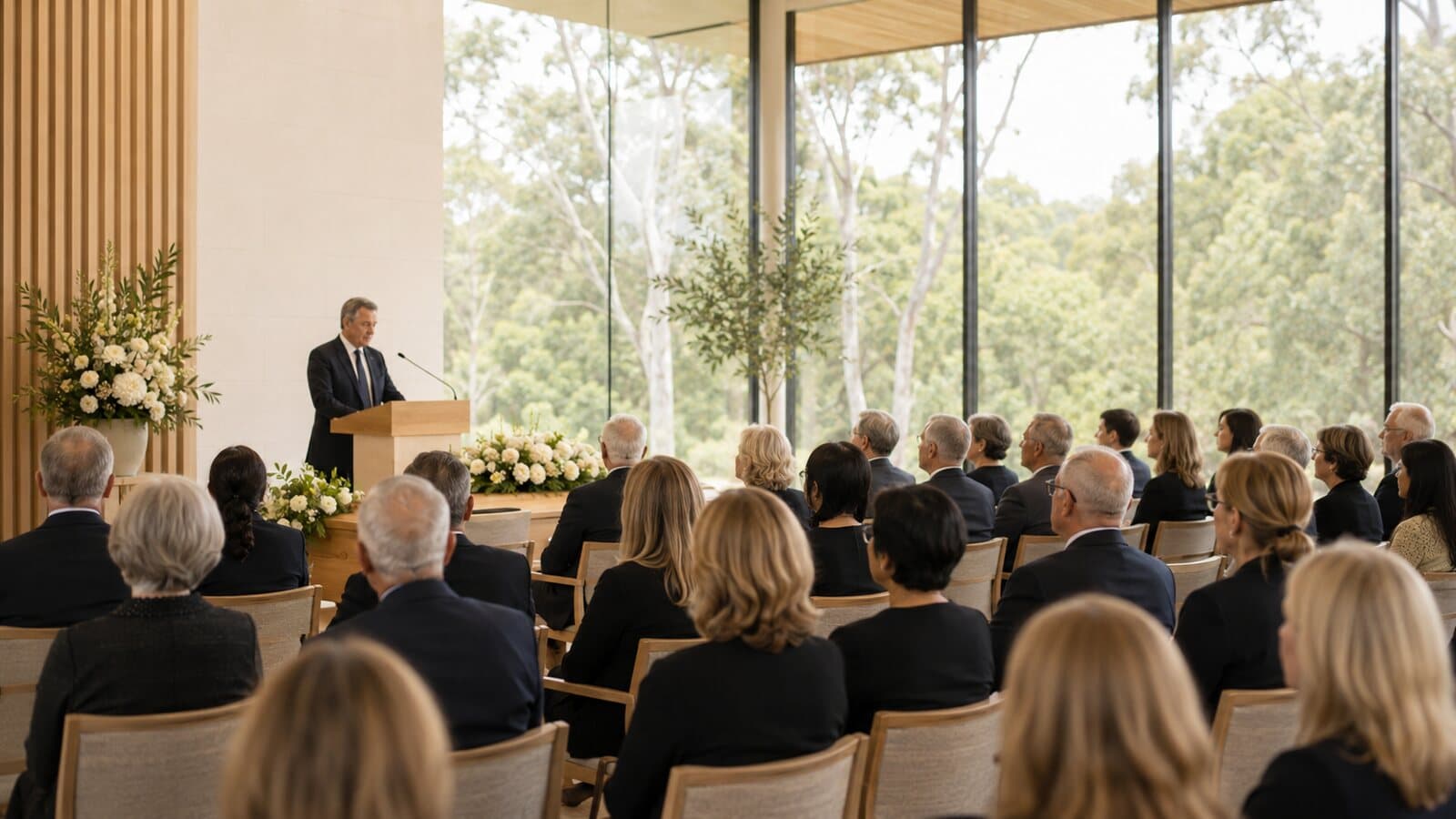
  5. The funeral or memorial happens.
  6. The state registry issues the death certificate, usually 2 to 3 weeks after registration.
  7. Banks, super funds, and government agencies are notified using the death certificate.

You do not have to manage all of this yourself. The funeral director handles the registration. The free Australian Death Notification Service lets you notify multiple banks, insurers, super funds and utilities through a single online form.

For the federal hub of bereavement payments, Centrelink notifications, Medicare, and child support, see Services Australia's "What to do when someone dies" page. It is the single most useful federal landing page for families in the first week.

For more detail on each step, see:

Money matters in the first week

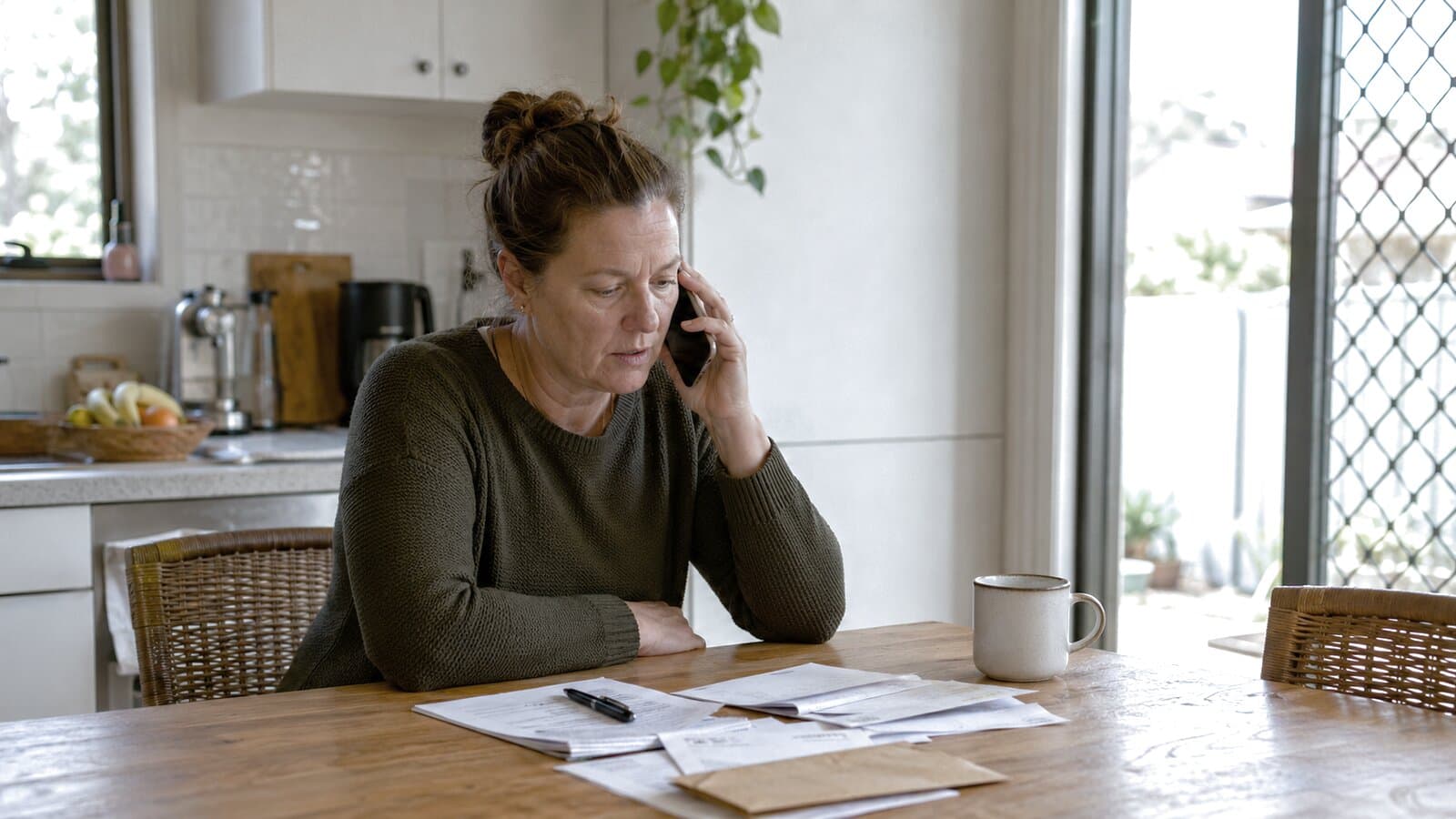
Many families worry about money in the first 48 hours. Three things to know:

The bank will usually pay the funeral invoice. Most major Australian banks (CBA, Westpac, NAB, ANZ) will release funds directly from the deceased's frozen account against the funeral director's itemised invoice, before probate is granted, subject to sufficient funds in the account. Each bank has its own conditions: NAB caps the release at $15,000, Westpac may still require probate in some cases, and all four banks exclude wake, flights and catering from the exception. Speak to the bank's deceased estate team. See our guide on frozen bank accounts and how to pay for the funeral before probate.

Centrelink may pay a bereavement payment. Surviving partners who were both receiving an income support payment may get a lump sum bereavement payment, calculated over a 14 week period from the date of death. The amount is broadly the difference between the couple combined rate and the new single rate. Other bereavement payments apply to carers and parents in different situations. The full federal picture is on Services Australia's bereavement page.

Super can be released early to help. If the estate cannot cover the funeral expenses of a dependant, you can apply to the ATO for compassionate release of super. The general rule is to apply before paying the invoice from your savings; the ATO will not reimburse savings already spent. There is one exception: if you borrowed money to pay the funeral (a personal loan, family loan or credit card with an outstanding balance), the ATO may release super to repay the outstanding borrowed amount. Apply early either way.

For a deeper look at funeral costs, what to ask for in an itemised quote, and how to avoid hidden fees, see our funeral costs guide. For more on the executor's role and limits of personal liability, see our guide on acting as an executor and paying for the funeral.

Faith, culture and tradition

Australia is many funeral traditions, side by side. If your family follows a faith or culture with specific funeral practices (Catholic, Greek Orthodox, Jewish, Muslim, Hindu, Buddhist, Italian, Vietnamese, Chinese, Pacific Islander, Indigenous Sorry Business, and many others), our Australian Funeral Traditions hub covers what to expect, what is required, and how to find a funeral director who understands your tradition.

Some faiths require same-day or next-day burial (Muslim, Jewish, Hindu). The funeral director needs to know this from the first call so they can coordinate. Some faiths require a particular form of washing, dressing, or vigil. Speak to your community elders or religious officiant alongside the funeral director.

Indigenous families navigating Sorry Business have specific cultural protocols around naming and images of the deceased; our Sorry Business guide follows AIATSIS guidance and was written with Indigenous editorial review.

After the service: support and grief

Grief does not finish when the service does. For many people it begins. Week-2-onwards support is where most Australians struggle to find help. Free support is available across the country:

  • GriefLine on 1300 845 745, weekdays 9am to 6pm and weekends 12pm to 6pm (AEST/AEDT)
  • Australian Centre for Grief and Bereavement (operating as Grief Australia) on 1800 642 066, 9am to 5pm AEST Monday to Friday (counselling and support, not a crisis line)
  • Lifeline on 13 11 14 and Beyond Blue on 1300 22 4636 for 24-hour crisis support

Our Grief and Support hub covers grief in adults, in children, after a sudden loss, after losing someone to suicide (with Mindframe Australia safe-language conventions), after stillbirth or perinatal loss (with Red Nose, SANDS and Bears of Hope), and what to do with the ashes when you are ready to decide.

If a child in your family is grieving, the Raising Children Network (a federally funded resource) has age-appropriate guidance, and Australian charities Feel the Magic and Lionheart Camp for Kids run grief camps for bereaved kids.

Planning ahead from here

Many Australians, after losing a parent or partner, start thinking about their own pre-planning. If that is where you are, our Funeral Planning hub covers pre-paid funerals, funeral bonds, advance care directives, and how to talk to your family about end-of-life wishes.

This is also the time many families revisit wills and estate planning. For high-level information before you see a solicitor, see our Wills basics guide or the plain-language guide from Legal Aid NSW.

Frequently asked questions

Do I call 000 when someone passes away at home?

Only if the death was unexpected, or if you do not yet know whether they have passed. For an expected death, you call the doctor or palliative care team. There is no need to call an ambulance.

How long can the body stay at home?

In most Australian states the body can stay at home until the funeral director arrives, typically up to 24 hours. Some families choose to keep their loved one at home longer for cultural, religious, or personal reasons.

Do I need a funeral director by law?

Australian law does not require a licensed funeral director in most cases. WA is the regional exception: metropolitan Perth cemeteries (administered by the Metropolitan Cemeteries Board) require either a licensed funeral director or a Single Funeral Permit. Regional WA cemeteries each have their own boards and rules. Check with your local cemetery.

How long do I have to register the death?

Between 7 and 14 days depending on the state. The funeral director normally handles registration as part of the funeral arrangements.

How many copies of the death certificate will I need?

Most families need 5 to 8 certified copies to handle banks, super, insurance, property and government notifications.

What if my loved one passed away overseas?

Contact the nearest Australian embassy or consulate. The Department of Foreign Affairs and Trade (Smartraveller) coordinates consular assistance and can guide you on repatriation.

When you are ready

When you are ready to make the first call, find a funeral director near you. Speak to two or three if you can; comparing quotes is normal and reasonable. The Australian Competition and Consumer Commission has guidance on what funeral providers must disclose and what makes a fair itemised quote.

You do not have to do this alone, and you do not have to do it now. Take the time you need.

Need to talk? Lifeline 13 11 14 (24/7) Beyond Blue 1300 22 4636 (24/7) 13YARN 13 92 76 (24/7) GriefLine 1300 845 745 (weekdays 9am to 6pm, weekends 12pm to 6pm AEST/AEDT)

This guide is general information to help Australian families plan, compiled and editorially reviewed by the Funerals Direct team from publicly available sources. It is not professional, legal, or financial advice. Funeral prices change and vary by provider, region, and circumstances - always request an itemised written quote. For prepaid funerals, funeral bonds, or funeral insurance, speak with an independent financial adviser or a free financial counsellor on 1800 007 007.

Ready to find a funeral director?

Compare directors who list the right experience, read reviews from other families, and request a quote. Always free for families.

Find a funeral director

Was this guide helpful?