
How do you plan a celebration of life in Australia?
A celebration of life is a less formal farewell that focuses on the person's story rather than a set religious order. It can replace a traditional funeral, or, increasingly, follow a direct cremation weeks or months later, with the ashes present or nothing at all. There are few fixed rules, which is the point, but there are practical decisions to make: when to hold it, where, who leads it, and what it costs. This guide walks through them.
What is a celebration of life, and how is it different from a funeral?
A traditional funeral usually happens within a week or two of the death, often follows a set order led by a celebrant or clergy, and commonly has the coffin present. A celebration of life loosens all of that. The focus is the person's life and character, it can be held whenever suits the family, and the body does not need to be there. Many families now hold one after a low-cost direct cremation, so the farewell happens on their own terms rather than to the funeral's timetable.
When should you hold it?
Whenever suits the family. There is no legal deadline once the cremation or burial is dealt with. Holding it a few weeks or months later gives interstate and overseas relatives time to travel, lets the family plan properly, and takes the pressure off the raw first days. If you are pairing it with a direct cremation, the cremation happens first, and the celebration follows when you are ready.
Who leads a celebration of life?
Someone needs to run the day, welcome people, and move it from one part to the next. A civil celebrant does this well and keeps it flowing, and usually costs around $400 to $800. But a confident family member or friend can lead it just as well. If you would like a celebrant, your funeral director can help you find one, or see our guide on choosing a funeral director.
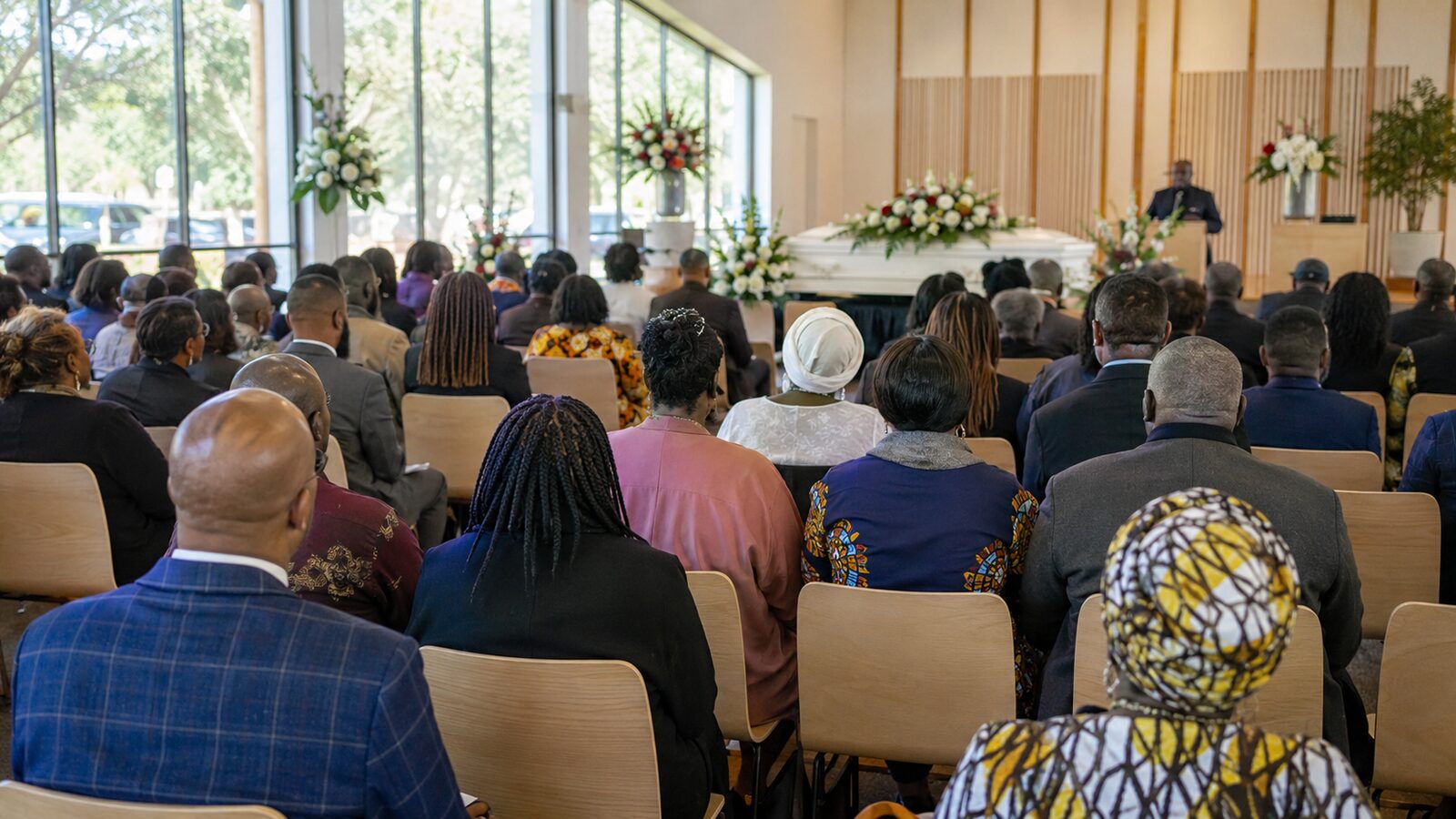
Where can you hold it?
Almost anywhere that suits the person and the number of guests. Check whether the venue needs booking, whether alcohol is allowed, and whether you need a permit, which public parks, beaches and reserves often require.
| Venue | Worth knowing |
|---|---|
| Home or garden | Free and personal, but check numbers and parking, and have a wet-weather plan |
| Hall, club or RSL | Space, tables, and often catering and a bar in one place |
| Pub or restaurant | Simple, catered and licensed, usually with a per-head cost |
| Winery, beach or park | Scenic, but check whether a booking or a council permit is needed |
What happens at a celebration of life?
There is no fixed order, but most follow a loose outline you can adapt.
Food, drink, music and mementoes
Catering can be as simple as a bring-a-plate afternoon tea or as full as a catered lunch, depending on the venue and budget. If you want alcohol, a licensed club, pub or restaurant is easiest; at a home or hall you may be able to supply your own. A playlist of the person's favourite music, a slideshow of photographs, and a memory table with objects and pictures are the touches families most often include. If you would like guests to bring a photo or a memory to share, say so on the invitation.
How do you invite people?
Because a celebration of life is often held later, a set date with an RSVP works well. You can put it in a death or funeral notice, or invite people privately by message, email or a family group. Include the date, time and place, whether children are welcome, any dress request (bright colours are common), and whether to bring anything.
What does a celebration of life cost?
It depends entirely on the venue and catering. A gathering at home can cost very little; a catered event at a venue with a celebrant runs to more. As a rough guide, a celebrant is around $400 to $800, venue hire and catering vary widely, and the whole thing can still cost far less than a traditional funeral, especially when paired with a direct cremation that keeps the funeral-director costs low.
Frequently asked questions
Do you need a funeral director for a celebration of life?
Can you have a celebration of life after a cremation?
Do you need a celebrant?
Where can you scatter ashes at a celebration of life?
How long after the death should you hold it?
Make it theirs
A celebration of life is whatever fits the person and the family. Settle the date and whether the ashes will be there, choose a venue that suits the numbers, and decide who will lead it. The rest, the music, the food, the stories, is up to you.
Planning the practical side
This guide is general information to help Australian families, editorially reviewed by the Funerals Direct team from publicly available sources. It is not legal or financial advice. Funeral prices change and vary by provider and region, so always ask for an itemised written quote. For prepaid funerals, bonds, or insurance, consider speaking with an independent financial adviser or a free financial counsellor on 1800 007 007.
Ready to find a funeral director?
Compare directors who list the right experience, read reviews from other families, and request a quote. Always free for families.
Find a funeral directorWas this guide helpful?