Funeral prices across Australia, city by city
What 296 Australian funeral providers advertise as a starting price for a direct cremation on their own websites, compared city by city and state by state. See how much prices vary before you speak to a funeral director.
Median published starting price for a direct cremation
$3,648
The middle half of published prices falls between
$2,890 and $4,650
A quarter of providers advertise less than this, and a quarter more.
One price per provider. Updated 26 September 2026. Australian dollars.
Start with your city
Choose a capital to see what providers there charge for a direct cremation, a cremation with no funeral service. Each city figure covers providers within a set distance of the city centre, so prices further out may differ.
Sydney
$3,498
Middle published starting price for a direct cremation. Half of providers ask less, half ask more.
Half of providers advertise between $2,853 and $4,048.
Based on 52 providers within 35 km of the city centre.
Compare direct cremation prices
The dot marks the median, the middle price. The shaded bar is where the middle half of prices sit. Every bar uses the same scale, from $0 to $5,000.
- Perth23 providers within 35 kmHalf advertise $3,011 to $4,279$3,500Median $3,500, middle half $3,011 to $4,279.
- Sydney52 providers within 35 kmHalf advertise $2,853 to $4,048$3,498Median $3,498, middle half $2,853 to $4,048.
- Melbourne48 providers within 35 kmHalf advertise $2,500 to $4,224$3,447Median $3,447, middle half $2,500 to $4,224.
- Brisbane29 providers within 30 kmHalf advertise $1,895 to $3,385$2,750Median $2,750, middle half $1,895 to $3,385.
- Adelaide12 providers within 30 kmHalf advertise $2,350 to $3,179$2,498Median $2,498, middle half $2,350 to $3,179, see the note below.
Median published starting price
Perth
$3,500
Half of providers advertise between $3,011 and $4,279.
23 providers within 35 km
More on PerthToo few published prices for a median
- Canberra$3,200 to $8,221Full advertised range, no median5 providers within 25 kmSee the guide
- DarwinNo published packageNo price is called a direct cremation. Ask for an itemised written quote.No price called a direct cremation within 30 kmSee the guide
- Hobart$3,300 to $5,989Full advertised range across Tasmania, no median7 providers statewide; 3 within 25 kmSee the guide
Indicative prices. Confirm with the funeral director.
Every figure is for a direct cremation. The median is the middle price: half are lower and half are higher. The shaded bar shows the middle half of prices, not the cheapest or the most expensive. Prices do not all include the same things. Some leave out the crematorium fee, so ask each provider what theirs covers.
* Adelaide and South Australia have exactly 12 providers, just enough for a median, so treat their figures with care. Canberra has fewer than 12, so its full advertised range is shown. Hobart has too few for a figure of its own, so the range for all of Tasmania is shown. No Northern Territory provider publishes a price called a direct cremation.
Read the figures as a table
| City | Providers | Radius | Lower quartile | Median | Upper quartile |
|---|---|---|---|---|---|
| Perth | 23 | 35 km | $3,011 | $3,500 | $4,279 |
| Sydney | 52 | 35 km | $2,853 | $3,498 | $4,048 |
| Melbourne | 48 | 35 km | $2,500 | $3,447 | $4,224 |
| Brisbane | 29 | 30 km | $1,895 | $2,750 | $3,385 |
| Adelaide* | 12 | 30 km | $2,350 | $2,498 | $3,179 |
| Canberra* | 5 | 25 km | No median; advertised $3,200 to $8,221 | ||
| Darwin* | 0 | 30 km | No published package | ||
| Hobart* | 7 | Statewide | No median; advertised $3,300 to $5,989 | ||
The dot marks the median, the middle price. The shaded bar is where the middle half of prices sit. Every bar uses the same scale, from $0 to $5,000.
- Newcastle15 providers within 30 kmHalf advertise $3,280 to $4,083$3,750Median $3,750, middle half $3,280 to $4,083.
- Gold Coast17 providers within 30 kmHalf advertise $2,370 to $3,749$2,999Median $2,999, middle half $2,370 to $3,749.
Median published starting price
Newcastle
$3,750
Half of providers advertise between $3,280 and $4,083.
15 providers within 30 km
More on NewcastleToo few published prices for a median
Regional centres with at least 5 providers publishing a price. Each figure covers providers within a set distance of the centre, and each links to its own price guide.
* Sunshine Coast has fewer than 12 providers, so the full advertised range is shown. Geelong, Toowoomba, Townsville and Wollongong have fewer than 5 providers publishing a price, so they have no figure of their own yet.
Read the figures as a table
| Regional centre | Providers | Radius | Lower quartile | Median | Upper quartile |
|---|---|---|---|---|---|
| Newcastle | 15 | 30 km | $3,280 | $3,750 | $4,083 |
| Gold Coast | 17 | 30 km | $2,370 | $2,999 | $3,749 |
| Sunshine Coast* | 8 | 35 km | No median; advertised $1,399 to $6,878 | ||
The dot marks the median, the middle price. The shaded bar is where the middle half of prices sit. Every bar uses the same scale, from $0 to $5,000.
- Western Australia29 providersHalf advertise $3,050 to $4,539$3,800Median $3,800, middle half $3,050 to $4,539.
- Victoria74 providersHalf advertise $2,871 to $4,744$3,775Median $3,775, middle half $2,871 to $4,744.
- New South Wales107 providersHalf advertise $2,993 to $4,650$3,749Median $3,749, middle half $2,993 to $4,650.
- Queensland80 providersHalf advertise $2,628 to $4,470$3,260Median $3,260, middle half $2,628 to $4,470.
- South Australia12 providersHalf advertise $2,350 to $3,179$2,498Median $2,498, middle half $2,350 to $3,179, see the note below.
Median published starting price
Western Australia
$3,800
Half of providers advertise between $3,050 and $4,539.
29 providers
More on Western AustraliaToo few published prices for a median
- Australian Capital Territory$3,200 to $8,221Full advertised range, no median4 providers; the Canberra figure counts 5See the guide
- Northern TerritoryNo published packageNo price is called a direct cremation. Ask for an itemised written quote.No price called a direct cremationSee the guide
- Tasmania$3,300 to $5,989Full advertised range, no median7 providersSee the guide
Indicative prices. Confirm with the funeral director.
Every figure is for a direct cremation. The median is the middle price: half are lower and half are higher. The shaded bar shows the middle half of prices, not the cheapest or the most expensive. Prices do not all include the same things. Some leave out the crematorium fee, so ask each provider what theirs covers.
* Adelaide and South Australia have exactly 12 providers, just enough for a median, so treat their figures with care. Canberra has fewer than 12, so its full advertised range is shown. Hobart has too few for a figure of its own, so the range for all of Tasmania is shown. No Northern Territory provider publishes a price called a direct cremation.
Read the figures as a table
| State or territory | Providers | Radius | Lower quartile | Median | Upper quartile |
|---|---|---|---|---|---|
| Western Australia | 29 | Statewide | $3,050 | $3,800 | $4,539 |
| Victoria | 74 | Statewide | $2,871 | $3,775 | $4,744 |
| New South Wales | 107 | Statewide | $2,993 | $3,749 | $4,650 |
| Queensland | 80 | Statewide | $2,628 | $3,260 | $4,470 |
| South Australia* | 12 | Statewide | $2,350 | $2,498 | $3,179 |
| Australian Capital Territory* | 4 | Statewide | No median; advertised $3,200 to $8,221 | ||
| Northern Territory* | 0 | Statewide | No published package | ||
| Tasmania* | 7 | Statewide | No median; advertised $3,300 to $5,989 | ||
Price guides for your city
Every published price in the area, how it compares, and the local crematorium and cemeteries.
Sydney
$3,498
Median, 52 providers
Melbourne
$3,447
Median, 48 providers
Brisbane
$2,750
Median, 29 providers
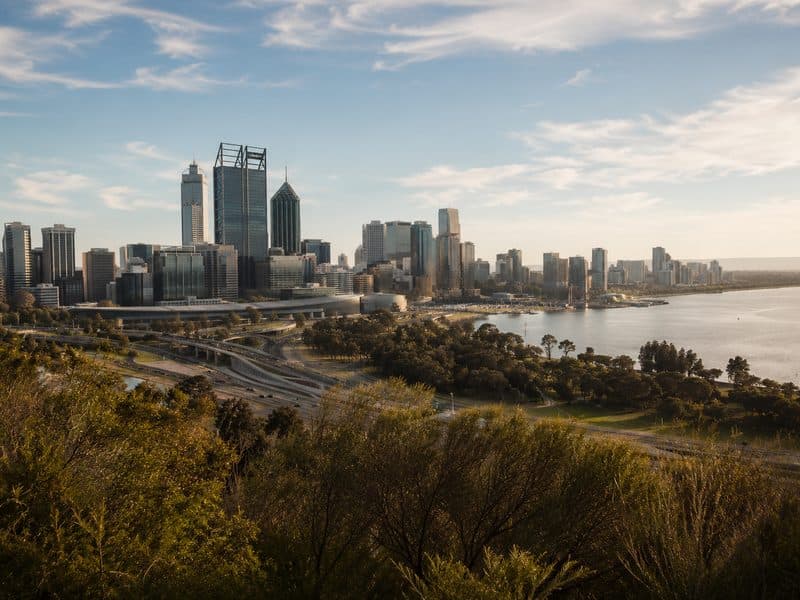
Perth
$3,500
Median, 23 providers
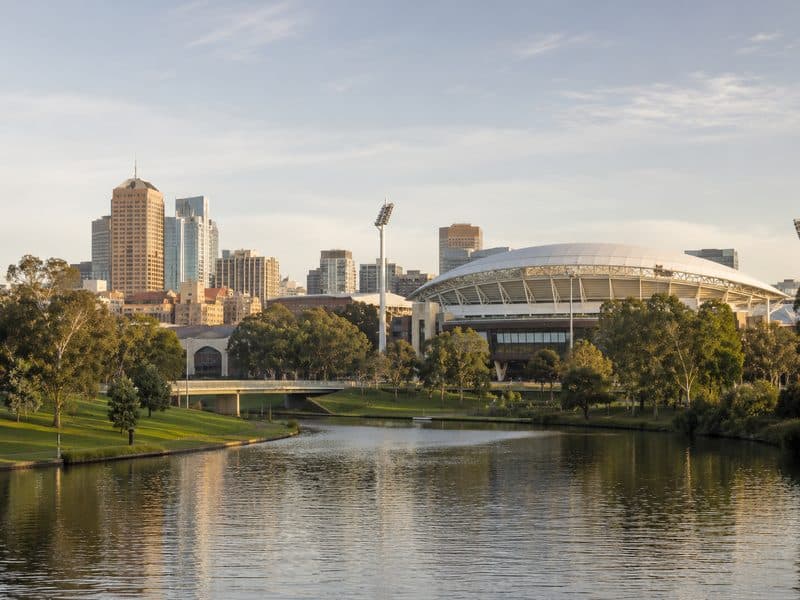
Adelaide
$2,498
Median, 12 providers
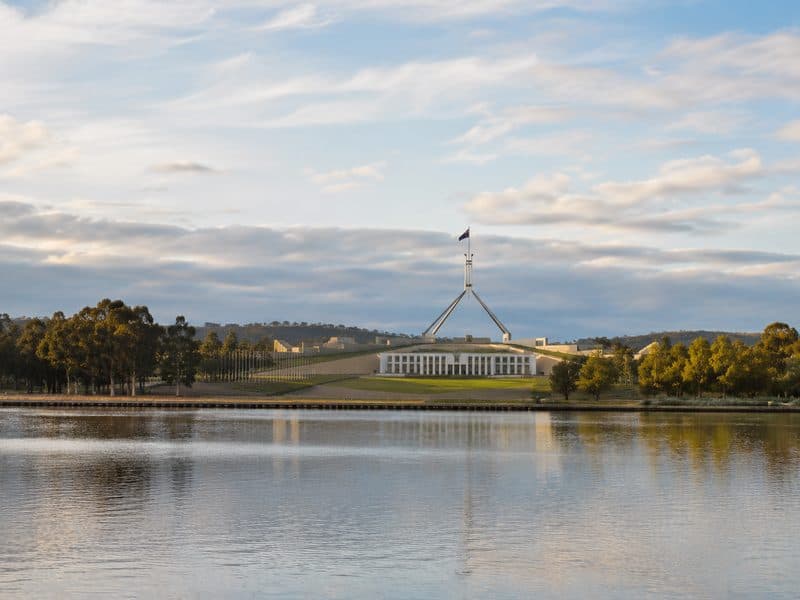
Canberra
$3,200 to $8,221
Full range, 5 providers
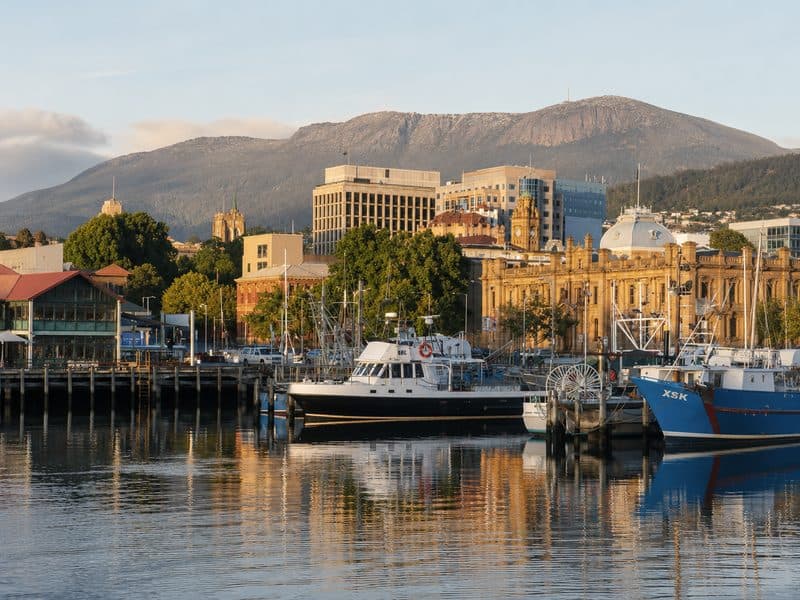
Hobart
$3,300 to $5,989
Tasmania, 7 providers
Darwin
No published package
Ask for a written quote
Regional centres

Direct cremation prices at a glance
A direct cremation is a cremation with no funeral service. It is the simplest and usually the lowest-cost arrangement.
63%
of published prices include the crematorium fee.
198 of 313. The rest do not say, or charge it separately, so ask each provider.
36%
of listed funeral directors have no package price in our data.
424 of 1,191 listings. For these, ask the director for a written quote.
6×
The most expensive provider starts at more than six times the cheapest.
From $1,290 to $8,782 for broadly the same service. Each provider counts once in each state it trades in, at its lowest published price there. The charity's means-tested price is left out here but shown on the chart below.
Every published price, one dot per provider in each state
Each dot is one provider's advertised starting price in one state. Prices are grouped in hundred-dollar steps (two hundred and fifty on a phone). A taller stack means more providers ask that price. The single dot at $990 is a charity's low-cost service.
Every price was read from the provider's own website, and only prices that name their source on that site are counted. 282 of the 313 were checked again between 23 and 25 September 2026. The other 31 were last checked earlier, the oldest on 3 June 2026. We keep the web address of every price.
What a cremation or burial can cost
Most cremations and burials cost more than a direct cremation. These figures come from different sources and years, so use them to see the scale, not as prices.
 Published prices, September 2026
Direct cremation
$3,648
Median of 296 providers' starting prices
 Report estimate, 2023
Cremation, all types
$8,045
Australian Seniors report estimate
 Report estimate, 2023
Burial
$11,039
Australian Seniors report estimate
Our figure: the middle of the starting prices 296 providers publish on their own websites, one price per provider. For comparison, the NSW pricing regulator, IPART, found in 2021 that a typical cremation with no service cost about $3,800 in New South Wales.
The 2023 figures are estimates from Australian Seniors, The Cost of Death 2.0 Report (November 2023, research by CoreData: a survey of 1,200 Australians aged 50 and over, and mystery shopping). They estimate what a whole cremation or burial costs, not a published starting price, so they are not directly comparable with our figure.

Compare funeral directors near you
1,191 funeral directors are listed, and 767 listings show a published package price. Search by suburb or postcode to see who is near you.
Free for families. Or browse funeral directors near you.
What a quote should tell you
A good quote is written and itemised. Here is where each part should appear, and what to ask if it is missing.
Itemised quote
What to ask
Direct cremation, no service
The package, named exactly as the provider names it
The service
A direct cremation and a funeral with a service are different things. Compare quotes for the same one.What the package includes
Collection and care, the coffin, paperwork, return of the ashes
What is included
Ask for every item the price covers to be listed. Anything not listed may cost extra.Fees paid to others
Doctor's certificates, crematorium or cemetery fee, death certificate
Separate charges
Ask for each as its own amount. Crematorium fees vary a lot: among the six cemetery and crematorium operators we checked on 23 September 2026 they ran from $510 in Adelaide to $1,838 in Darwin.Conditions and extras
Distance, work at night or on weekends, optional items
What could change it
Ask which items are optional, and what would add to the total.Total
With any costs not yet known listed beneath it
The written total
Get it in writing before you sign. Two quotes for the same arrangements tell you more than any median on this page.
Your rights when you ask for prices
The Australian Consumer Law applies everywhere: a business must not mislead you about price. Some states go further.
In New South Wales, Victoria, Queensland and Western Australia, the price list must also include the provider's least expensive package. If something goes wrong, contact your state or territory's fair trading or consumer affairs office.
Checked 23 September 2026. General information, not legal advice.
New South Wales
Funeral directors must publish their prices, since 1 February 2020.
Queensland
Funeral directors must publish their prices, since 1 July 2022.
Western Australia
Funeral directors must publish their prices, since 1 May 2023.
Victoria
Funeral directors must publish their prices, since 1 August 2025. From 26 May 2026, the law says what the list must show.
South Australia, Tasmania, the Australian Capital Territory and the Northern Territory
No rule requires funeral directors to publish their prices. Ask for a written, itemised quote.
Help with paying
There is no general funeral grant in Australia. These are the main places to look for help.
Ask before you sign
Tell the funeral director your budget and ask for their least expensive package before you sign anything. The person who signs the contract usually has to pay the bill.
The money of the person who died
The cost is usually paid from the estate. Many banks will pay the funeral director's bill from the person's account before the estate is settled.
Money in a bank account after a deathA surviving partner
If your partner died and you both got a Centrelink payment, you may get a bereavement payment. It is not a funeral grant.
Centrelink bereavement paymentsVeterans
The Department of Veterans' Affairs may help with funeral costs for an eligible veteran.
Your own super
You can ask the ATO to let you use some of your own super early to pay for the funeral of someone who depended on you. Strict rules apply.
Early super release for a funeralWhen there is no money
Most states and territories arrange a basic funeral when no one can pay. In Victoria, the charity Bereavement Assistance fills that gap.
Who pays for a funeral when there is no money
If someone has just died
You do not have to decide everything today. These are the first things most families do.
- What to do in the first 24 hours
Who to call, and what can wait.
- Find funeral directors near you
Compare local providers and their published prices.
- Arranging a funeral
The steps, in order, and the choices you will be asked to make.
Need an interpreter? Call TIS National on 131 450, 24 hours a day.
Common questions
What is a direct cremation?
Is the median the price I will pay?
Does the price include the crematorium fee?
How much does a cremation or burial cost?
Can I get help to pay for a funeral?
Why does one provider count once even with many branches?
How often are the figures updated?
Do providers pay to change their figure?
For journalists and researchers
The figures are free to quote with the attribution and date below.
- Measure
- Median published starting price for a direct cremation, one price per provider in each state
- National
- $3,648, middle half $2,890 to $4,650
- Sample
- 313 prices from 296 providers with a published price on their own website
- Updated
- 26 September 2026. Prices checked 3 June to 25 September 2026
- Cite as
- Funerals Direct Funeral Price Index, 26 September 2026. funeralsdirect.com.au/guides/funeral-prices-by-state
Download the data
- City, state and national figuresCSV, updated 26 September 2026
- Every named source behind the figuresCSV, each figure with its check date and web address
- Data dictionaryCSV, what each column means
Summary figures only. Individual provider prices are on each provider's listing and on their own website.
Media and corrections
How the figures are made, and the sources
What is counted. A price is counted only when it is recorded with the web address of the page it was read from, on that provider's own website. A provider is its website, so a group with many branches counts once. These rules are applied when each price is recorded: price lists dated before 1 July 2024, prices that leave out the coffin, and professional fees on their own are not counted. Where a provider prints its own total for a cremation with no service, that total is counted. Water cremation is priced differently and is not counted as direct cremation.
How the figures are made. The directory lists 1,191 funeral directors, many of them branches of the same provider, and 767 of those listings show a published package price of some kind. Their direct cremation prices come from 296 providers. A provider with branches in more than one state is counted in each of those states, at its lowest price there (313 prices in total). The national figures pool those same prices, so the national range always takes in every state's range. A median needs at least 12 providers. A capital gets a figure of its own once 5 providers within its distance of the city centre publish; below 12 that figure is the advertised range, and below 5 the page shows the state range. City distances: Sydney, Melbourne and Perth 35 km; Brisbane, Adelaide and Darwin 30 km; Canberra and Hobart 25 km. In the state figures a provider belongs to the state of its first listed branch. State and national quartiles are worked out between the two nearest prices; city quartiles are real published prices, and halves are rounded up to the next dollar.
Charity prices. The lowest price found is $990 from Bereavement Assistance in Victoria, a charity's low-cost service for families who cannot afford commercial rates, with the crematorium fee extra. It is counted, but it is not shown as the lowest price; the lowest generally available price is $1,290.
Other sources. IPART, Review of competition, costs and pricing in the NSW funeral industry, Final Report, June 2021, found a typical cremation with no service cost around $3,800, from under $2,000 to around $6,600. Australian Seniors, The Cost of Death 2.0 Report, November 2023, estimated a cremation at $8,045 and a burial at $11,039. Crematorium fees come from each operator's own current schedule. These sources were last checked 23 September 2026.
Rules for publishing prices. New South Wales since 1 February 2020 (Fair Trading Regulation 2019, funeral goods and services information standard). Queensland since 1 July 2022 (Fair Trading (Funeral Pricing) Regulation 2022). Western Australia since 1 May 2023 (Fair Trading (Funeral Pricing Code of Practice) Regulations 2022, whose expiry date was removed from 6 March 2026). Victoria since 1 August 2025 (Funerals Act 2006 as amended), with the content of the price list prescribed by the Funerals Regulations 2025 from 26 May 2026. South Australia, Tasmania, the Australian Capital Territory and the Northern Territory have no rule requiring funeral directors to publish their prices. General information, not legal advice.
Read next
- Funeral costs in Australia
- Cremation costs in Australia
- Burial costs in Australia
- Hidden funeral costs
- When there is no money for a funeral
- Corporate or independent?



Each state has its own guide with named providers and cemetery fees: Australian Capital Territory, New South Wales, Northern Territory, Queensland, South Australia, Tasmania, Victoria, Western Australia.