Can you arrange a funeral yourself in Australia?
Many families assume the law requires them to hire a funeral director. In NSW there is no legal requirement to use a funeral director, as the State Library of NSW legal guide and the NSW Government's funeral guide both say. It means a family can do parts of the work and pay only for the rest.
You can legally do a great deal yourself, from caring for the person at home to running the ceremony, and a family-led funeral can cost a fraction of a full-service one. There are real limits, though. The official paperwork still has to go through the proper channels.
Do you have to use a funeral director?
In NSW, no. Families are not legally required to use a funeral director. The practical limit is paperwork: registering the death, obtaining the medical certificate of cause of death, and getting a permit to cremate or bury all have to go through official channels, and many crematoria and cemeteries are set up to deal with registered directors.
For that reason, many families do part of it themselves and pay a director only for the steps they cannot, or would rather not, handle. That is where most of the saving comes from. Other states' rules and paperwork vary, so do not assume the NSW position applies identically where you live.
What can you legally do yourself?
Most of the hands-on parts.
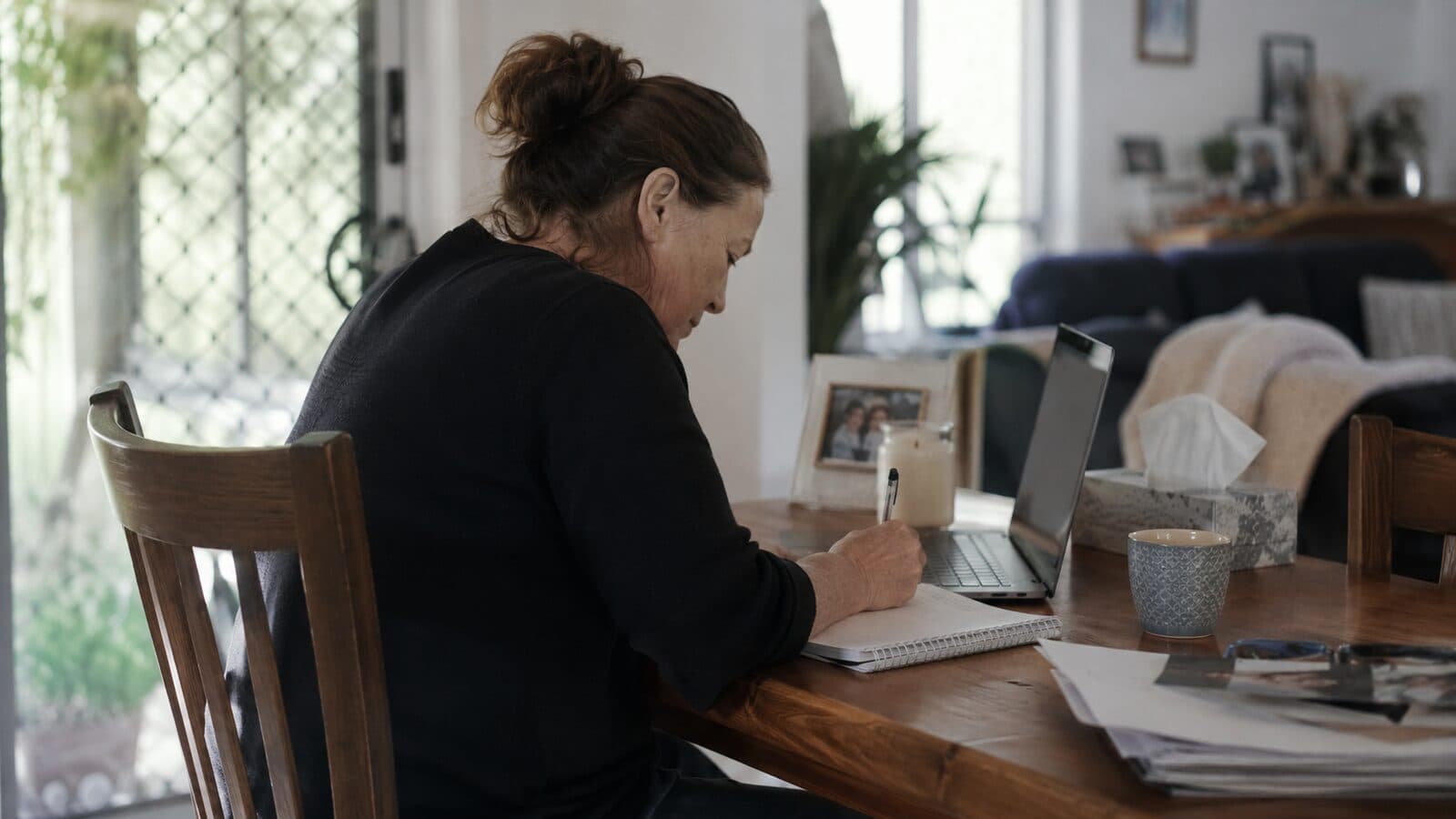
You can care for the person at home. Washing and dressing the body is something families have always been able to do, and many cultural and religious traditions require it. In NSW, a person who is not a funeral director may keep the body for up to five days after the death (section 80 of the Public Health Regulation, per the State Library of NSW legal guide), which gives a family time to sit with the person and gather relatives before the funeral.
You can run the ceremony yourself. There is no rule that a funeral director, a celebrant or a venue has to be involved. NALAG, the National Association for Loss and Grief, supports family-led funerals and offers guidance to families who want a more hands-on role. A service in a backyard, a hall, a home, or a place that meant something to the person is legal, though a public place may need the owner's or the council's permission.
You can choose a simple coffin. Nobody is required to buy an expensive one. A plain cardboard or unfinished timber coffin meets the requirements of most crematoria and cemeteries, and in a direct cremation no mourners see the coffin at all. Our guide to coffins and caskets covers the options and prices.
What still needs a professional or an official step?
The official paperwork has to be done properly: a death must be registered, a doctor or the coroner must certify the cause of death, and a cremation needs a separate permit. A family can lodge much of this itself, but it has to go through the correct authority.
The final handover is usually a funeral director's job. Most crematoria and cemeteries will only accept a booking and a body through a registered director, and cross-border transport adds another layer, so even families who do almost everything themselves tend to bring one in for the last logistical steps. Here is the rough split.
| Often done by the family | Usually needs a professional or an official step |
|---|---|
| Washing and dressing the person | Medical certificate of cause of death (a doctor or the coroner) |
| Holding the body at home (up to five days in NSW) | Registering the death with Births, Deaths and Marriages |
| Choosing a simple coffin | The permit to cremate or bury |
| Running the ceremony or memorial | Coffining and transport to the crematorium or cemetery |
| Writing and placing the death notice | The crematorium or cemetery booking itself |
You can decide which parts to hand over, instead of buying one bundled package by default.
How much can a family-led funeral save?
The savings are large because the biggest line item is the one you have most control over: the professional service fee, the charge for the director's own time and overheads. At the premium end it is large: White Lady Funerals lists a professional service fee of $5,210 for a no service, no attendance funeral, which is about 59% of the $8,782 its Pennant Hills branch lists for its Cremation Only product (price disclosure dated 6 July 2026).
When a family handles the home care, the ceremony and the admin, and brings in a director only for the final transport and the crematorium booking, the professional service fee is what falls. IPART's 2021 review of the NSW funeral industry found that a no-service, no-attendance cremation is typically around $3,800, but ranges from under $2,000 to around $6,600, and a stripped-back family-led arrangement can sit at the bottom of that range or below it. Be careful with national comparisons: no government body publishes a national funeral price index, so treat any national average you see as indicative only. Doing more yourself takes time and energy in the days after a death. Some families find it helps; others find it too much.
Low-cost and community alternatives
If a fully self-managed funeral feels like too much, there is a middle ground between that and a corporate package: the not-for-profit and community providers.
Tender Funerals is a community-led, not-for-profit network built specifically to make a dignified funeral affordable and to support families who want to be hands-on. Pricing varies by region, so contact your nearest branch directly. Salvos Funerals, run by the Salvation Army, operates in several states and lists direct cremation from $2,348 in south east Queensland to $3,725 in Perth. In Victoria, Bereavement Assistance offers cremations from $990 for families who cannot afford commercial rates, with the crematorium fee extra.
How to start if you want to do more yourself
This is general information rather than personal advice, so these steps point you to the right official channels rather than telling you what to choose.
Frequently asked questions
Is it legal to keep a body at home in Australia?
Do you legally need a coffin?
Can you transport a body yourself?
Can you bury someone on private land?
How much does a family-led funeral cost?
If you decide to use a director after all
Ask up to three funeral directors at once
Prices vary a lot between directors, so ask for itemised quotes in one go.
- Free
- You choose who
- No obligation
Works for planning ahead too. How we make money
This guide is general information to help Australian families, editorially reviewed by the Funerals Direct team from publicly available sources. It is not legal or financial advice. Every figure here is a working guide rather than a quote, because funeral prices change by provider, suburb, cemetery and crematorium. Before you sign anything, ask for an itemised written quote that separates the funeral director's professional service fee from third-party costs like the crematorium, cemetery, celebrant, flowers, notices and death certificate fees, and ask which of those items are legally required and which are optional. For prepaid funerals, bonds, or insurance, consider speaking with an independent financial adviser or a free financial counsellor on 1800 007 007.
Ready to find a funeral director?
Compare directors who list the right experience, read reviews from other families, and request a quote. Always free for families.
Compare funeral directorsWas this guide helpful?